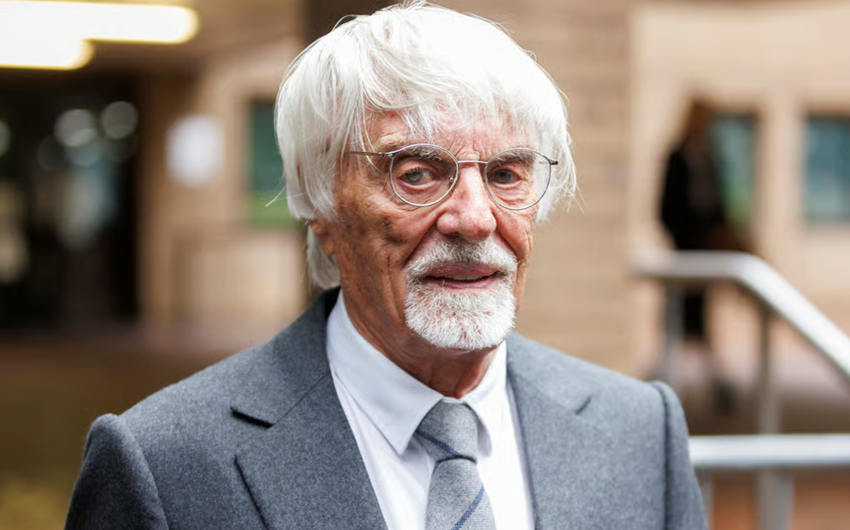
Bernie Ecclestone Net Worth In 2026: How The Former F1 Boss Built Billions
If you’re searching Bernie Ecclestone net worth, you’re really asking how one man became synonymous with Formula One’s business power—and how that influence translated into billions. Bernie Ecclestone’s net worth in 2026 is widely estimated in the mid-$2 billion range, often quoted around $2.4–$2.5 billion. The exact number shifts depending on how assets are valued, but the big story stays the same: he built wealth by controlling the commercial engine of F1, not by collecting a salary.
Quick Facts About Bernie Ecclestone
- Full Name: Bernard Charles “Bernie” Ecclestone
- Known For: Leading Formula One’s commercial operations for decades
- Estimated Net Worth (2026): Around $2.4–$2.5 billion
- Wealth Source: F1 commercial rights, deal-making, investments, high-value assets
- Why He’s Unique: He turned a sport into a global media product
Bernie Ecclestone Net Worth In 2026
In 2026, Bernie Ecclestone’s net worth is generally estimated at around $2.4 billion, with many figures placing him in the $2.4–$2.5 billion range. That number can look surprising if you think of him only as a “sports executive,” but it makes perfect sense when you understand the type of wealth he built.
Ecclestone’s fortune is best described as ownership-driven wealth. He didn’t become rich by earning a paycheck. He became rich by owning and controlling the rights, deals, and systems that made Formula One money.
How Bernie Ecclestone Made His Money
1) He Turned Formula One Into A Business Machine
Before F1 became the modern global TV-and-sponsorship powerhouse, it was a high-profile sport with fragmented commercial arrangements. Ecclestone helped centralize and professionalize F1’s commercial side—especially around broadcasting and promotion—so the sport could be packaged and sold consistently across countries.
That shift is what created the real financial power. Television rights, sponsorship integration, and global race hosting deals became predictable and scalable. And when something becomes predictable and scalable, it becomes extremely valuable.
2) Commercial Rights Were The Real Gold
In sports, the biggest wealth is often built around rights—who controls them, who sells them, and who profits from them. Ecclestone’s long-term influence came from how deeply he was tied to F1’s commercial rights ecosystem. When you control the “money pipeline,” you don’t need to own a team to become wealthy. You become wealthy by shaping how the entire sport earns.
3) Major Deals Created Billionaire-Level Liquidity
Over time, Formula One moved through different ownership eras. Even when Ecclestone’s day-to-day role changed, his involvement in big structural deals helped lock in wealth. When a sport becomes valuable enough to be bought and sold in billion-dollar transactions, the people who hold stakes and influence in that system can convert years of control into massive personal gains.
4) Investments And Real Estate
Ultra-wealthy people rarely keep their money in one place. Ecclestone’s net worth has long been tied to assets—investments and property—rather than just cash. Real estate and long-term investments matter in net worth calculations because they can appreciate over time, and they help preserve wealth through economic shifts.
This is also why billionaire net worth estimates can move: asset values rise and fall, even if the person’s lifestyle looks unchanged.
5) High-Value Collectibles And The Famous Car Collection
Ecclestone’s name is also tied to one of the most jaw-dropping collections in motorsport history: a high-end group of historic race cars. In recent years, reports of a major sale of that collection drew attention because it represented a huge concentration of value in “trophy assets.”
When a billionaire sells a collection like that, it can change the shape of their wealth dramatically—turning rare, illiquid assets into cash or cash-like holdings that are easier to manage, transfer, or plan for long-term.
Why Bernie Ecclestone’s Net Worth Estimates Can Vary
If you’ve seen slightly different numbers online, that’s normal. Billionaire net worth isn’t a fixed scoreboard because it depends on valuations and assumptions. A few reasons the number can shift:
- Private assets are hard to value: trusts, private holdings, and off-market investments don’t have obvious “price tags.”
- Property values change: real estate can rise or fall with markets.
- Currency swings matter: many assets are priced in pounds or euros, while net worth is often reported in dollars.
- Large one-time payments can reduce liquidity: major settlements or legal costs can reshape finances even when someone remains a billionaire.
That’s why it’s safer to use a range (mid-$2 billions) rather than pretending there’s one exact number down to the last dollar.
How Bernie Ecclestone Stayed Wealthy Even After Stepping Back From F1
Many people assume stepping away from a leadership role means the money slows down. But when your wealth is built on assets—stakes, rights-related proceeds, investments, and valuable holdings—your net worth can stay enormous even without a weekly executive job.
That’s the difference between “high income” and “high net worth.” Ecclestone’s story is about net worth: he built a fortune that continues to exist as a portfolio, not a paycheck.
What Makes His Wealth Story Different From Other Sports Figures
Most sports-related billionaires are team owners or media company executives. Ecclestone became a billionaire by operating in a rarer lane: the person who helped shape the commercial structure of the entire sport. He essentially positioned himself where the deals flowed.
That’s why his name still carries a specific kind of weight. Even people who don’t follow F1 often recognize him as the businessman who made Formula One into the global product it became.
The Bottom Line
Bernie Ecclestone’s net worth in 2026 is widely estimated around $2.4–$2.5 billion. He built that fortune by transforming Formula One into a highly profitable global business, benefiting from commercial rights structures and major industry deals, and holding valuable assets and investments over time. The exact number may vary depending on valuations, but the reason he’s a billionaire is consistent: he didn’t just work in F1—he helped build the system that made F1 incredibly valuable.
Featured image source: https://www.standard.co.uk/news/uk/who-bernie-ecclestone-net-worth-b1113198.html