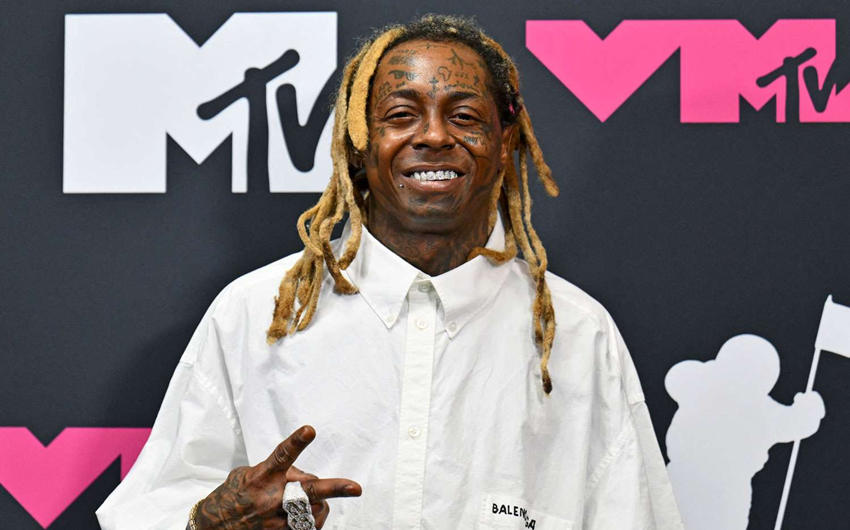
Lil Wayne Net Worth In 2026: Young Money, Catalog Sale, And Income Streams
If you’re searching for lil wayne net worth, you’re probably trying to figure out what’s real versus what’s just internet noise. The most reasonable estimate for Lil Wayne’s net worth in 2026 sits around $150 million to $180 million, with many widely repeated figures landing near $170 million. That range fits a rapper who’s been a global hitmaker for decades, built a label empire, secured massive advances, and still earns from touring, streaming, and business ventures.
Quick Facts About Lil Wayne
- Real Name: Dwayne Michael Carter Jr.
- Stage Name: Lil Wayne
- Profession: Rapper, songwriter, producer, label executive
- Famous For: The Tha Carter series, mixtape era dominance, and shaping modern hip-hop
- Label: Young Money Entertainment (founder)
- Big Wealth Drivers: Music catalog/royalties, touring, Young Money-related income, endorsements, business ventures
- Estimated Net Worth (2026): Roughly $150M–$180M (commonly cited near $170M)
Lil Wayne Net Worth In 2026: A Realistic Range
Lil Wayne isn’t just a rapper with hit songs—he’s a long-running business machine. When you’ve been earning since the 1990s, released multiple classic albums, stayed relevant across streaming eras, and built a label that launched megastars, you’re not operating on “normal celebrity money.”
That said, net worth isn’t the same as “how famous you are.” Wayne’s fortune is also shaped by:
- ownership (or partial ownership) of music rights
- big advances that arrived in chunks over time
- legal and management costs that can be huge in music
- taxes and lifestyle spending
So when you see a number like $170 million, think of it as a strong, widely used estimate—not a bank statement. The best way to understand his wealth is by looking at how he makes money.
How Lil Wayne Makes Money
Lil Wayne’s income isn’t one paycheck. It’s multiple streams working at the same time—some flashy, some boring, and some that quietly print money while he sleeps.
1) Music Sales And Streaming Royalties
Wayne’s catalog is enormous, and catalog is where long-term wealth comes from. Every stream of a classic track, every time a song is used in a video, every time an old album gets rediscovered—those pennies stack. For an artist with decades of hits, royalties can be a steady baseline that never really turns off.
And Wayne isn’t just earning off one “era.” He has multiple waves:
- early Cash Money years
- the mixtape takeover era
- the Tha Carter album run
- later releases that keep the brand alive
The result is a catalog that keeps generating revenue even when he’s not actively promoting a new project.
2) Touring And Live Performances
Touring is where many top artists make their biggest checks—especially when they can sell tickets consistently. Wayne’s live money comes from:
- headline tours
- festival bookings
- club appearances and special events
- one-off shows tied to releases or major moments
Even if touring isn’t constant every year, a few strong runs can add tens of millions over time. And because Wayne’s fan base spans generations, his ability to draw crowds has lasted longer than most artists’ prime windows.
3) Young Money Entertainment
If you want to understand why “lil wayne net worth” searches stay high, Young Money is a huge part of it. Wayne didn’t just sign artists—he built a cultural pipeline. Young Money helped launch and amplify some of the biggest names in modern music.
Label economics can get complicated fast, but the basic idea is simple: when you build a successful label, you can earn from:
- profit splits
- catalog value
- distribution structures
- brand leverage and partnerships
Even when you’re not directly collecting a “salary,” label ownership can increase your wealth through equity and long-term rights value.
4) Catalog Deals And Major Rights Moves
One of the biggest wealth events associated with Lil Wayne in recent years is the reported sale of certain masters/catalog assets tied to Young Money to a major music company for a figure reported as over $100 million. Deals like this matter because they can instantly change your financial reality.
Here’s why catalog deals are so powerful:
- You get a large lump sum that can be invested.
- You reduce risk (you’re not waiting years for royalties to trickle in).
- You turn “music value” into “cash value,” which is easier to use for real estate and long-term investing.
Not every dollar of a catalog deal becomes net worth, though. Taxes, commissions, legal fees, and existing obligations can take major cuts. Still, a deal of that size is a huge reason Wayne’s net worth stays in the nine-figure conversation.
5) Brand Deals And Endorsements
Wayne has never relied on endorsements the way some pop stars do, but he’s still a brand. Endorsements and partnerships can include:
- apparel collaborations
- music-related product partnerships
- lifestyle brand campaigns
Even when deals aren’t publicized, the economics can be meaningful—especially for someone whose name alone moves attention.
6) Merchandise And Lifestyle Products
Merch is one of the cleanest business models for famous artists because it’s direct-to-fan. You don’t need radio. You don’t need a label. You need demand—and Wayne has it.
When merch is done well, it can become a steady side income that grows during tours and spikes during album drops. Over a career as long as Wayne’s, merch can quietly stack into millions.
7) Business Ventures And Investments
Wayne has explored multiple business lanes over the years—from apparel to cannabis-related ventures to sports and management connections. Some ventures hit big, some stay niche, and some are more about brand presence than profit. The point is: once you’re at Wayne’s level, the smartest money move is shifting from “earning” to “owning.”
Even a small portfolio of real estate and diversified investments can significantly support a $150M–$180M net worth range over time.
The Part Most People Miss: Expenses That Cut Into Wealth
It’s easy to hear “$100 million deal” and assume that means $100 million added to net worth. Real life is messier. High-earning artists face real costs such as:
- taxes (often the biggest single hit)
- management and agent fees
- legal costs (music contracts are famously complicated)
- production costs (recording, mixing, marketing)
- touring overhead (crew, travel, staging, insurance)
That’s why net worth estimates can vary. Two artists can earn the same amount and end up with very different wealth depending on deals, spending habits, and financial planning.
Why His Net Worth Stays High Even When He’s Not “Everywhere”
Lil Wayne’s fame isn’t dependent on trending every week. His wealth is built on long-term assets:
- a catalog that continues to stream
- a legacy that keeps him booked for shows
- a brand strong enough to monetize without chasing attention
- major business moves (like catalog rights deals)
In other words, Wayne’s financial strength is less about constant new hits and more about owning an empire that already exists.
What Could Increase Lil Wayne’s Net Worth From Here?
Even at nine figures, there’s room to grow. A few moves could realistically push his net worth higher:
- another major catalog sale or renegotiation of rights
- a blockbuster tour run with strong merch and VIP packages
- equity-driven partnerships (ownership instead of one-time checks)
- smart real estate expansion or long-term investments
For artists at this level, the big wins often come from business structure—not from a single song.
What Could Lower It?
Wealth can also go down. The biggest risks aren’t usually “bad music.” They’re:
- expensive legal disputes
- poor investment decisions
- high fixed lifestyle costs
- loss of key revenue rights or unfavorable contract outcomes
That’s why you’ll always see a range for celebrity net worth, not a precise figure.
The Bottom Line
If you’re trying to understand lil wayne net worth in 2026, a realistic estimate is around $150 million to $180 million, commonly cited near $170 million. His wealth comes from a decades-long catalog, touring, Young Money-related value, major rights deals, and business ventures. The key idea is simple: Lil Wayne didn’t just earn money—he built assets that keep earning.
Featured image source: https://people.com/lil-wayne-opens-up-nfl-not-booking-him-2025-super-bowl-halftime-show-11717329