René Angélil’s Life Story: Manager, Husband to Céline Dion, Lasting Legacy Explained
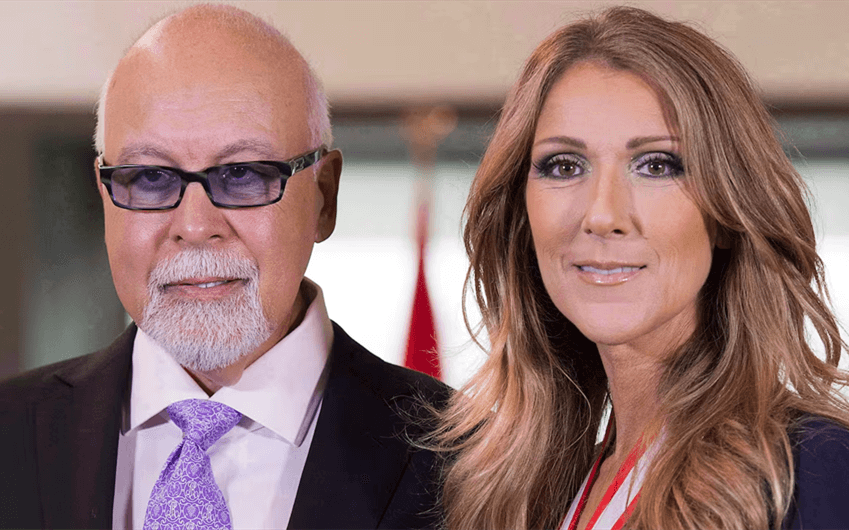
René Angélil is often remembered as the man beside Céline Dion, but his real story is bigger than the headline version. He was a performer, a hustler, a talent manager with sharp instincts, and a businessman who bet everything—sometimes literally—on the artists he believed in. His life included reinvention, controversy, enormous success, and a long health battle that reshaped his final years. If you’ve ever wondered who he truly was beyond “Céline’s husband,” this is the full picture.
Who was René Angélil?
René Angélil (1942–2016) was a Canadian talent manager, music producer, and entrepreneur from Montreal, Quebec. Long before he became internationally known as Céline Dion’s manager and later her husband, he had a music career of his own and a deep familiarity with how the entertainment business really worked—how talent gets developed, how money moves, and how careers are built through relentless planning.
His public image eventually became tied to one iconic love story. But behind the romance was a professional partnership that helped shape one of the biggest singing careers in modern history.
His early years: from performer to behind-the-scenes power
René didn’t begin as a mysterious executive figure. He started in the world of performing, including time as a singer in a 1960s pop group. That early experience matters because it gave him something many managers never have: the performer’s perspective. He understood the pressure of being on stage, the insecurity of the industry, and the reality that talent alone doesn’t guarantee success.
As his path shifted toward management and producing, he developed a reputation for being ambitious, determined, and unusually committed to the artists he believed in. He wasn’t the kind of manager who simply “booked gigs.” He was the kind who shaped the entire plan.
The discovery of Céline Dion: a gamble that became legend
The turning point in René Angélil’s story came when he received a recording of a young singer from Charlemagne, Quebec: Céline Dion. She was only 12 years old at the time. René listened, recognized something rare, and invited her to audition. That audition became the start of a career-long partnership that would eventually grow into a life partnership as well.
One of the most repeated details about this era is also one of the most revealing: René reportedly mortgaged his house to finance Céline’s early career and recordings. Whether you see that as daring, reckless, visionary, or all three, it tells you exactly who he was. He didn’t play small when he believed the talent was real. He bet big, and he did it early.
That bet paid off. Céline’s career took shape quickly in the French-language world, and René’s approach was strategic: build credibility locally, expand methodically, and never waste a moment of momentum.
Manager first: building a global plan, not just a music career
René Angélil’s genius, for better or worse, was that he treated a singing career like a long-term architecture project. He wasn’t only thinking about the next single. He was thinking about positioning, image, training, repertoire, and international growth. He helped guide Céline from Quebec success to global superstardom, navigating markets that can chew up artists who arrive unprepared.
It wasn’t an accident that Céline’s rise looked deliberate. René was known for planning. He understood that a vocalist could be extraordinary and still fail if the business side was careless. He leaned hard into preparation—vocal development, language decisions, performance discipline, branding, and career timing.
In the music industry, timing is often as powerful as talent. René treated timing like a weapon.
When the personal relationship began—and why it became controversial
René and Céline’s relationship began professionally, but it eventually became romantic years later, when Céline was an adult. Even so, their age gap and the long timeline of knowing each other fueled debate and discomfort among observers. It wasn’t just gossip. It was the public reacting to a complicated ethical question: what happens when mentorship and romance exist in the same story?
Inside Céline’s own narrative, the relationship was framed as love that grew over time and became serious in her adulthood. Outside that narrative, many people continued to wrestle with how to interpret the power dynamic of a manager and an artist with a long history.
What’s undeniable is that the relationship became public, and it became a defining part of how the world talked about both of them. For some fans, it was a grand love story. For others, it remained uncomfortable. The truth of how people feel about it often depends on whether they focus more on personal testimony or on structural power dynamics.
Marriage to Céline Dion: a public celebration of a private bond
René Angélil and Céline Dion married on December 17, 1994, in Montreal at Notre-Dame Basilica. It wasn’t a small, hidden event. It was a major public moment—lavish, heavily covered, and treated like a cultural milestone in Canada. By then, René was not just a manager; he was part of Céline’s public story.
The marriage lasted until René’s death in 2016, and during that time, he remained deeply involved in her career decisions even as health challenges grew more serious.
Children and family life: the center of their later years
René and Céline had three children together: René-Charles (born in 2001) and fraternal twins Nelson and Eddy (born in 2010). Their path to parenthood was not always simple, and they were open about the emotional intensity of wanting a family while also living inside a massive global career.
For fans, the children became a grounding detail in a life that could otherwise feel unreal. For René and Céline, parenthood seemed to shift priorities. It’s one thing to live for a career. It’s another thing to live for a family while still carrying the career.
In their later public moments, the tone often changed: less about glamour, more about gratitude and time.
René’s earlier marriages: a lesser-known part of his life
Before Céline, René Angélil had been married twice. Those marriages were part of his adult life long before the global spotlight intensified, and he had children from those relationships as well. This is one reason biographies sometimes list a larger number of children connected to him overall. The “Céline chapter” became the most famous, but it was not the only chapter.
When people reduce him purely to “Céline’s husband,” they often miss that he had a full life before she ever became a household name.
Illness and endurance: the years when life narrowed
René’s later life was heavily shaped by health struggles. He experienced major medical issues over the years, including a long battle with throat cancer. There were periods of treatment, recovery, and recurrence—an exhausting cycle that changes the texture of a marriage and the rhythm of a household.
During his illness, Céline stepped back from parts of her career to care for him, and their relationship became defined less by public appearances and more by private endurance. Fame doesn’t soften illness. If anything, it can make it lonelier, because the public often consumes the story while the family lives the reality.
René died on January 14, 2016, just two days before his 74th birthday. The public grief was huge, especially in Quebec, where he was seen as a cultural figure. But the most consequential grief was quieter: the loss experienced by his wife and children.
Business influence: more than a manager, a builder
René Angélil wasn’t only the person who negotiated deals. He was a builder of structures—companies, management systems, and long-term plans that outlived his own ability to travel and work full-time. He played a major role in shaping how Céline’s career functioned as an enterprise, not just a series of albums.
He also understood something that a lot of entertainment figures learn too late: the difference between being famous and being sustainable. René’s work aimed for sustainability. Tours, residencies, branding, and business decisions were part of one larger machine designed to protect the career for decades, not just for one hot season.
How he’s remembered: devotion, controversy, and undeniable impact
René Angélil is remembered in a complicated way—because he lived a complicated public story. There are three truths that can exist at the same time:
- He had real vision. He recognized Céline’s talent early and built a global strategy around it.
- He was deeply devoted. Whatever people think of the relationship’s origin, the marriage itself endured through intense public pressure and illness.
- His story raises uncomfortable questions. The manager-to-husband arc will always invite debate about power, boundaries, and ethical lines.
Some public figures get remembered in a clean, uncomplicated way. René does not. But he is not forgettable, and he is not minor. His influence shaped pop culture, Canadian entertainment history, and the life of one of the most famous singers on the planet.
The lasting legacy
René Angélil’s legacy is ultimately twofold. On one side, he is the architect behind a superstar—a manager whose belief and strategy helped create something enormous. On the other side, he is part of a love story that became both iconic and contested, a relationship that many fans romanticize and many critics question.
And then there’s the third legacy, the quiet one: fatherhood. Whatever you believe about the public narrative, the private reality is that he left behind children who carry his name and a family that continues to honor his memory in their own way.
In the end, René Angélil wasn’t just “the man behind Céline Dion.” He was a full-life character—ambitious, complicated, fiercely committed, and permanently embedded in the story of modern music fame.
image source: https://www.cbc.ca/news/entertainment/c%C3%A9line-dion-says-husband-ren%C3%A9-ang%C3%A9lil-talks-of-dying-final-wish-1.3202038